I have talked about Urban or Hybrid bikes before, but it deserves more discussion. This site is for the rest of us, meaning people who are NOT racers or offroad cyclists. There is no shortage of websites, YouTube channels, and Tweeters for those types of cyclists. I feel that there is confusion about the purpose of Hybrid bikes and the type of cyclist for which they are designed.
The Urban Bike Niche
Like the Mountain, or Offroad bike, the Hybrid bike (what I term as the Urban bike) is designed for a more natural body position and a more enjoyable riding experience, while not over sacrificing the reduced friction and better aerodynamics of a Racing bike. Unlike the Offroad bike, the Hybrid bike is typically for use on paved surfaces (bike lanes and paved bike paths) for the person who is seeking outdoor, non-competitive cycling.
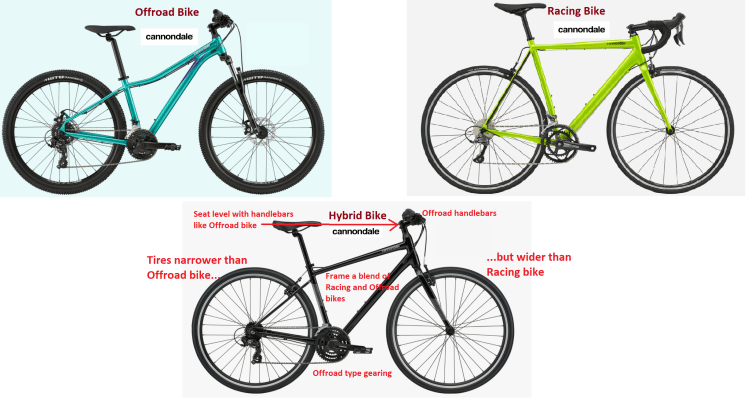
It is not for the cyclist that is seeking the fastest time and determines the quality of the bike by how little it weighs. It is also not for the person who hates paved surfaces and lives to challenge themselves in prowess and agility on offroad trails.
An Urban (Hybrid) bike is for those of us who feel that cycling is an individual experience that can be shared with others or simply enjoyed as their ‘me’ time.
A History of Racing and Mountain Bikes
The history of cycling has created confusion regarding the best bike for the situation. Adult bikes were mostly utilitarian during the first half of the 20th century. They were designed for transportation, but as more adults obtained automobiles, bike manufacturers switched to making bikes specifically for children in the 1950s and 60s to make up the loss of the adult bike market.
The BMX (an acronym for Bicycle Motocross) bike became a competitive sport for young riders and bikes became more than a great way for kids to cruise town.
In the 1970s, a new style of adult bike was introduced into the U.S. market by Japan. This bike had two front cranks and five rear sprockets with derailers that gave the rider the ability to shift into higher and lower gears to adapt to hills and wind. The “Ten-Speed” bike brought a resurgence in the market of adult cycling.
Because ten-speed bikes were focused on improving speed and efficiency of cycling, they became the model for the Racing Bike that is popular today. All racing bikes can trace their linage back to the innovation of the Ten-Speed bike.
The catch was that Ten-Speed bikes were designed for paved surface riding. This did not meet the needs of the young man who’s love of riding was born in riding a sturdy BMX or BMX clone bike offroad. The Ten-Speed was also an uncomfortable bike as the design was meant to conform to the human body into an aerodynamic form. As a result, in the 1980s, the Mountain bike was developed that diverged from the focus on weight and speed of Racing bikes. Mountain bikes became the alternative for riders who wanted a more comfortable ride on a sturdier bike frame and tires meant for offroad conditions.
Square Pegs, Round Riders
For adults that wanted to purchase a bike in the late 1980s, they had two primary choices. A Road (Racing) or a Mountain (Offroad) Bike. Neither bike was specifically designed for the rider seeking casual cycling and/or exercise. That didn’t stop retailers from selling one of these two types of bikes to a customer.
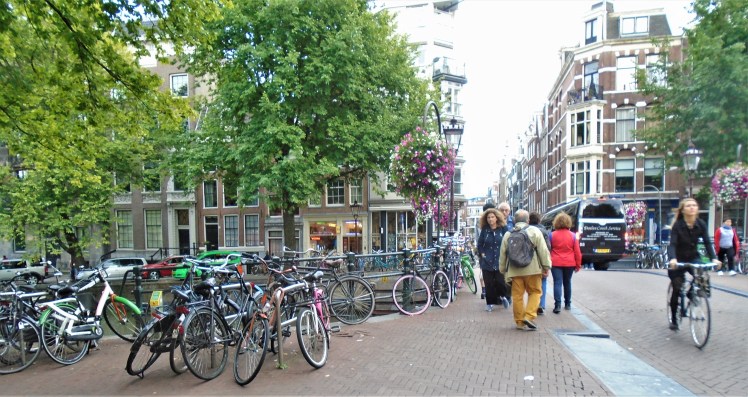
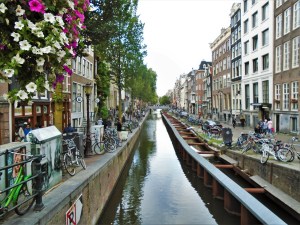 However, markets in Asia and Europe did have bicycles that were designed as a more utilitarian bike used by a wider segment of the population. By the 1990s, the Hybrid, or Urban bike was beginning to enter the U.S. market but it has failed to find widespread acceptance in the U.S. culture. In part, because cycling is not a significant part of our culture, but also because our citizens remain unaware of the option of an Urban bike. People are riding Racing bikes because that is what they see in world cycling competitions and remember from their youth or Offroad bikes because that is what they owned in the 1980s.
Time of the Urban Bike
There are many reasons why our culture needs to adopt and embrace the Urban bike. From the health benefits and ecological perspectives, the time has come for the popular appeal for cycling in the United States, but it is also important for people to understand how the Urban bike may be a better fit for their use than the Racing or Offroad bike.
[Special thanks to Ellery Smith for images of cycling in the Netherlands.]
 Kyote Bayte Cycling USA