A road bike is for road cycling, correct? A clipless pedal doesn’t have a clip, correct? A mountain bike is for mountains, correct?
- Sort of, but only paved or tarmac (British) roads and other types of bikes are intended for paved roads.
- No. Long story.
- It could be, or any off-road trail.
The problem with cycling terminology is that it often fails to adequately, or sometimes, correctly, describe the concept or object.
Types of Bikes
There is a bias in the cycling world to two types of bikes. Experienced cyclists have used a common terminology for Road bikes (what I term as, ‘Racing’ bikes) and Mountain bikes (what I term as ‘Offroad’ bikes.) The problem is that neither bike is adequately identified by those terms.
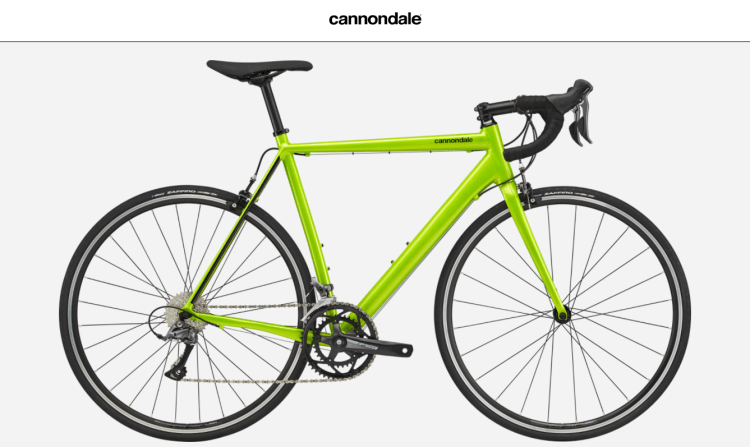
Road bikes are designed for speed and competition. They mold the human body into a position to minimize wind resistance. They are usually designed to be lightweight and aerodynamic. They are built to be as efficient as possible, to minimize the work done by the cyclists, and to go fast. They are racing bikes.
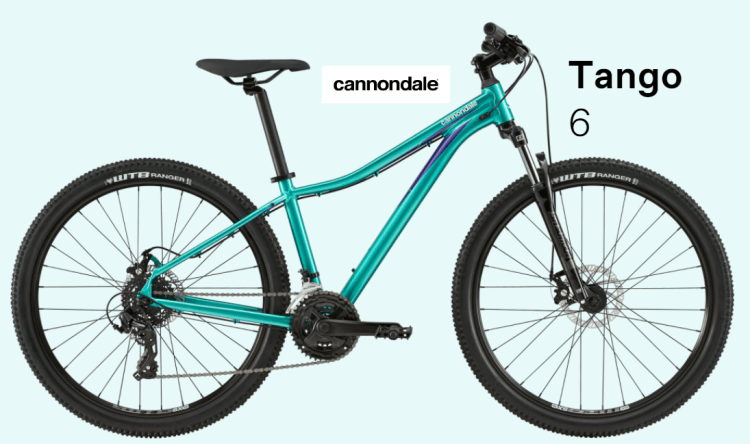
Mountain bikes are built for trails and other unpaved surfaces. They are misfits when ridden on the streets. It is like having a four-wheel drive SUV that never leaves the paved streets of London, Paris, or Los Angeles. They are built for Offroad cycling.
People who might enjoy some relaxing exercise while exploring the neighborhood are often convinced that cycling is not for them because they are not interested in racing, nor are they seeking offroad adventures. Or worse, they end up getting a Racing bike or a Mountain bike and find that the bike they spent so much money on is sitting in their garage gathering dust because it isn’t what they need.
The Hybrid bike (or the Urban or Fitness bike) is a great option for many people but the noise generated on the Internet is almost completely focused on Racing or Mountain bikes. Hybrid bikes are not understood by the non-cycling public because who knows what ‘hybrid’ means regarding bicycle types?

Pedal Types
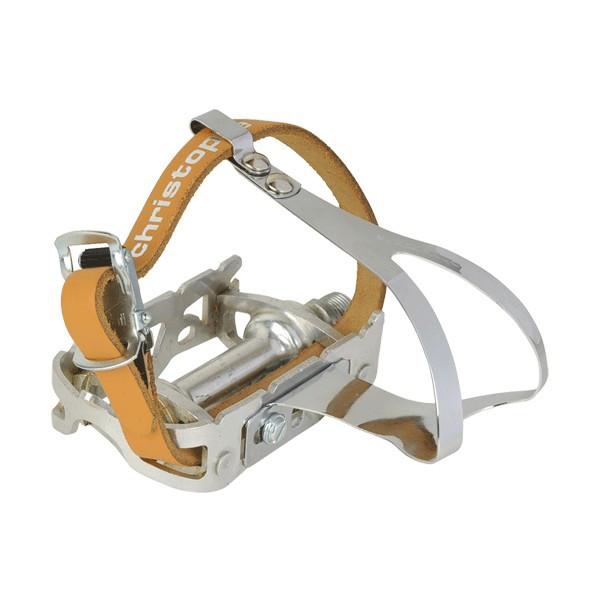
Pedals on a bike used to be a flat surface. You put your foot on it, pushed, and the bike moved forward. In the 1890s, the invention of putting a ‘toe cage’ on the front of the pedal to hold the foot in place was offered as an option to the flat pedal. They called them, ‘toe clips’ and the idea met with mixed results. For some, it was a great development. The toe was locked into the pedal and didn’t slip off. For others, it felt like a trap. In the 1970s, manufacturers began putting of ten speed bikes as standard equipment.
In the 1970s and 1980s, several manufactures developed a different design of pedal that integrated with the shoe. These special shoe/pedal devices allowed the rider to clip into the pedal and then unclip from the pedal. The problem was that the terminology of ‘toe clip’ was already common so someone decided to call the new version of the toe clip, “clipless.”

It’s embarrassing the no one said, “Wait, we can’t call these ‘clipless’ when they are a clip-in, clip-out device.” It’s more embarrassing that the cycling world has allowed this charade to continue. Part of me wonders if the cycling world is intentionally using bad terminology to gain a feeling of being elite.
 Kyote Bayte Cycling USA